
Introduction to USB Cable Series Interfaces
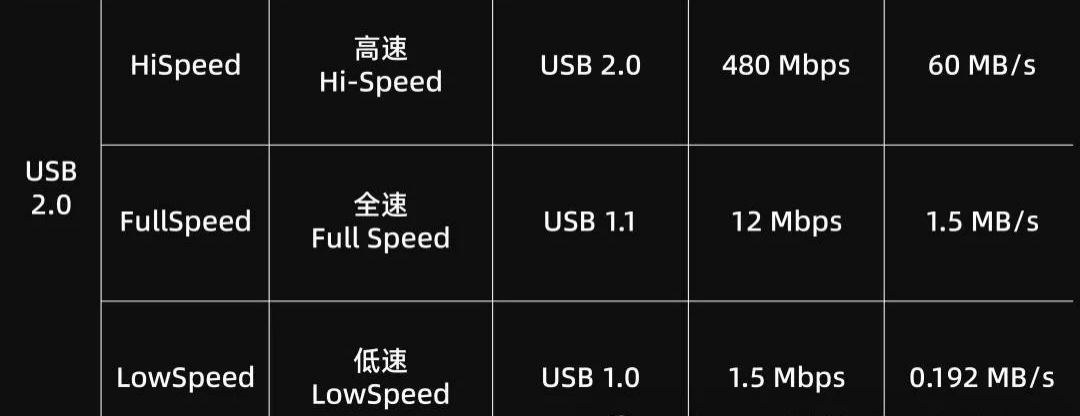
Back when USB was still at version 2.0, the USB standardization organization changed USB 1.0 to USB 2.0 Low Speed, USB 1.1 to USB 2.0 Full Speed, and the standard USB 2.0 was renamed to USB 2.0 High Speed. This essentially amounted to doing nothing; it simply allowed USB 1.0 and USB 1.1 to “upgrade” to USB 2.0
Without any actual changes.
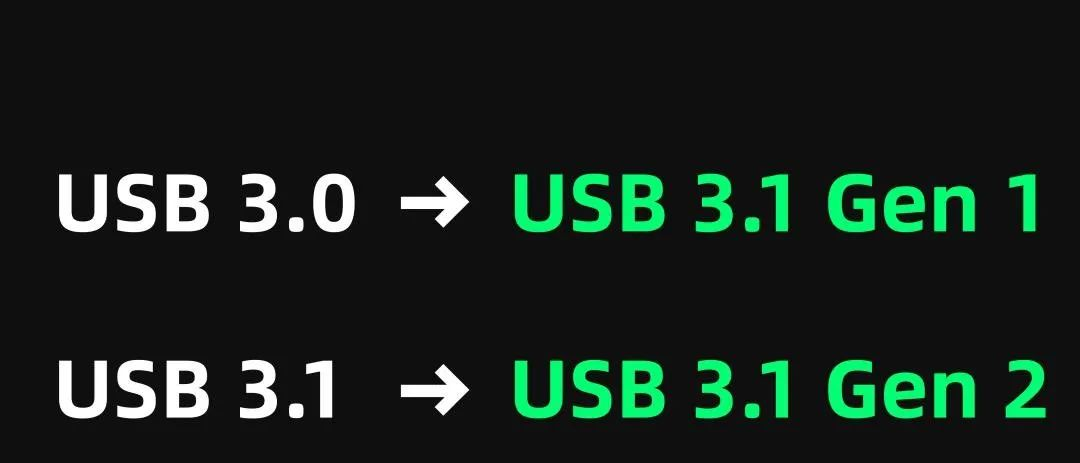
After the release of USB 3.1, USB 3.0 was renamed as USB 3.1 Gen 1, while USB 3.1 was rebranded as USB 3.1 Gen 2.
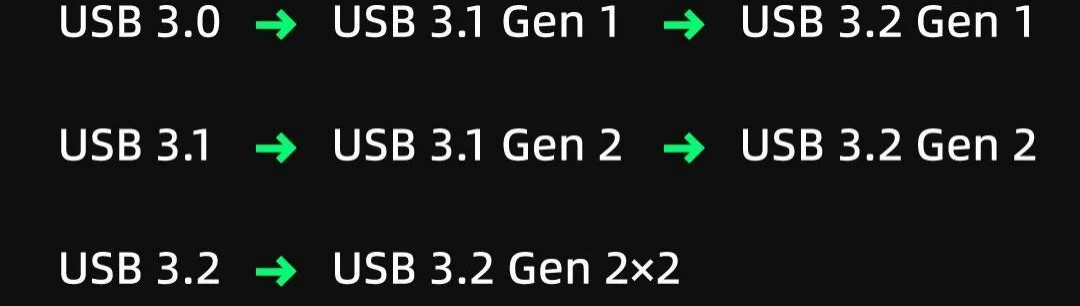
Later on, when USB 3.2 was released, the USB standardization organization played the same trick again and renamed USB once more. The new specification requires that USB 3.1 Gen 1 be renamed as USB 3.2 Gen 1, USB 3.1 Gen 2 be renamed as USB 3.2 Gen 2, and USB 3.2 be called USB 3.2 Gen 2×2.
Instead, they began to adopt a simpler and more direct approach – that is, to name them uniformly based on the interface and the transmission rate of the cables. For instance, an interface with a transmission speed of 10 Gbps would be called USB 10 Gbps; if it could reach 80 Gbps, it would be called USB 80 Gbps. Moreover, according to the “USB-C Cable Rated Power Logo Usage Guide” issued by the USB Standardization Organization, all types of USB-C data cables must have corresponding Logo identifiers for transmission rate and charging power, making it easy for us to distinguish their quality at a glance.
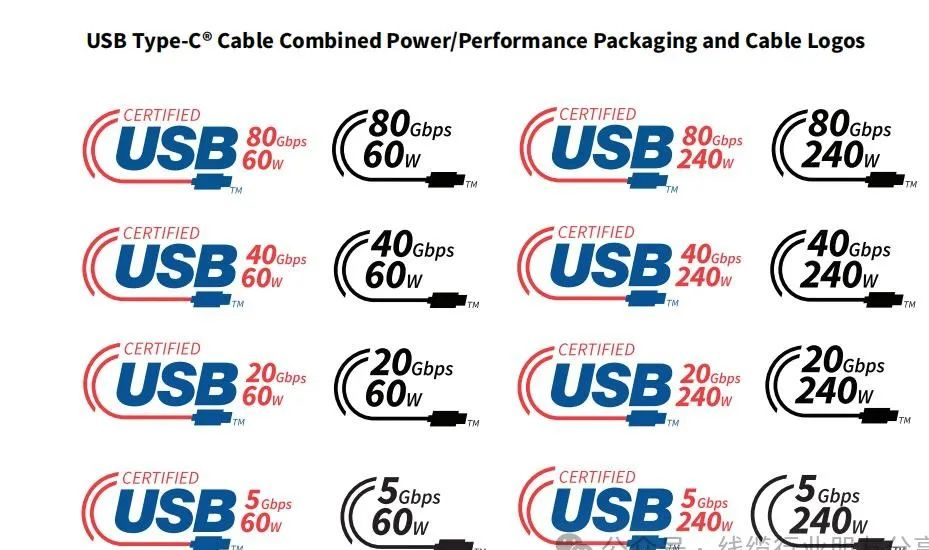
For a USB-C or Type-C interface, its specifications can be either USB 5Gbps/10Gbps/20Gbps/40Gbps/80Gbps, or Thunderbolt 3/Thunderbolt 4/Thunderbolt 5. Interfaces of the same form but with different specifications have significant differences in functionality.
To help everyone quickly understand the characteristics of different specification interfaces, I have simply made a table here. You can refer to it to check the transmission rate, power transmission, video output capability, and support for some external devices corresponding to different interface specifications.
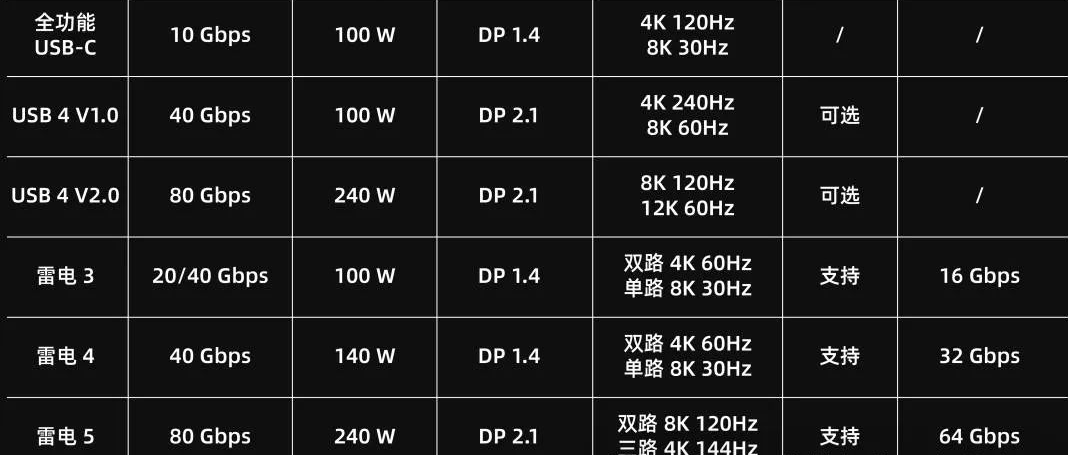
Obviously, the ideal scenario would be for each interface and data cable to adopt the highest current specification. However, in reality, considering factors such as cost, positioning, and the actual application scenarios of the devices, manufacturers will still adapt different specifications of interfaces and data cables for different products.
Dongguan Jingda Electronic Technology Co., Ltd. is a professional manufacturer specializing in the research and production of a full range of USB serial products.
Post time: Jul-19-2025


