
PCIe vs SAS vs SATA: The Battle of Next-Generation Storage Interface Technologies
Currently, the 2.5-inch/3.5-inch storage hard disks in the industry mainly have three interfaces: PCIe, SAS and SATA. In data center applications, connection solutions such as MINI SAS 8087 to 4X SATA 7P Male cable and MINI SAS 8087 to SLIM SAS 8654 4I are widely used. In the past, the development of data center interconnection upgrades was actually driven by institutions or associations such as IEEE or OIF-CEI. However, a significant change has occurred nowadays. Large data center operators such as Amazon, Apple, Facebook, Google and Microsoft are now driving technological development.
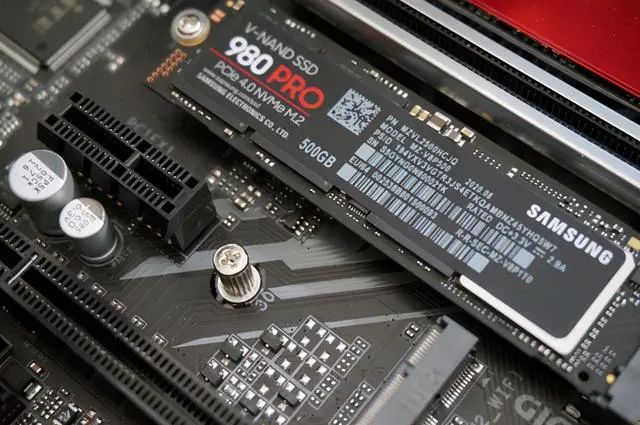
About PCIe
PCIe is undoubtedly the most popular transmission bus standard, and its updates have been very frequent in recent years. Although the upgrade speed has accelerated, the changes in each generation of the PCIe specification are quite significant, especially with the bandwidth doubling each time and maintaining compatibility with all previous generations.
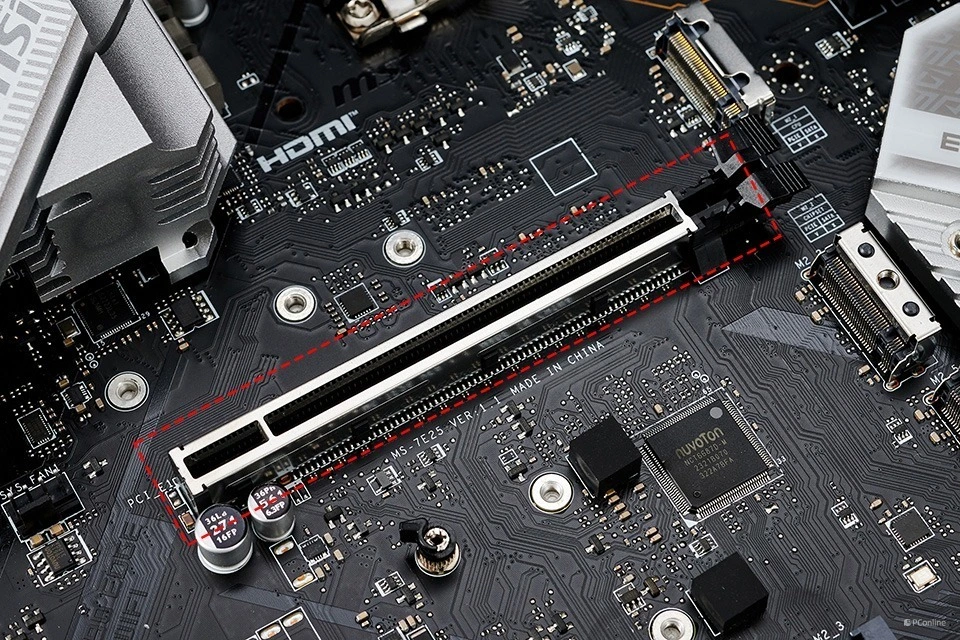
PCIe 6.0 is no exception. While being backward compatible with PCIe 5.0/4.0/3.0/2.0/1.0, the data rate or I/O bandwidth will double again to 64 GT/s. The actual one-way bandwidth of PCIe 6.0 x1 is 8 GB/s, the one-way bandwidth of PCIe 6.0 x16 is 128 GB/s, and the bidirectional bandwidth is 256 GB/s. This high-speed interface has also given rise to new connection solutions such as MCIO 8I to 2 OCuLink 4i cable, PCIe Slimline SAS 4.0 38-Pin SFF-8654 4i to 4 SATA 7-Pin Right-Angled Cable, etc.
Regarding SAS
The Serial Attached SCSI interface (Serial Attached SCSI, SAS) is the next-generation SCSI technology. Just like the currently popular Serial ATA (SATA) hard drives, SAS also adopts serial technology to achieve higher transmission speeds and improves internal space by shortening the connection lines. SAS is a completely new interface developed after the parallel SCSI interface. In modern storage systems, connection cables such as MINI SAS 8087 to 8482 CABLE, MINI SAS 8087 to 4X SATA 7P female cable, etc., play a crucial role. Especially the right-angle connection scheme of MINI SAS 8087 to 4X SATA 7P right angle female cable is particularly popular in server environments with limited space.
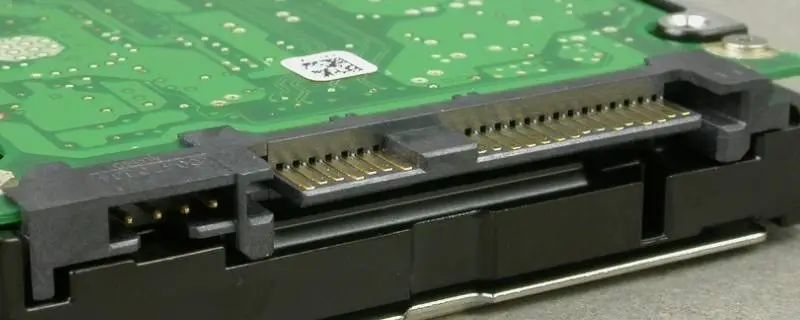
Regarding SATA
SATA stands for Serial ATA (Serial Advanced Technology Attachment), also known as serial ATA. It is a hard drive interface specification jointly proposed by Intel, IBM, Dell, APT, Maxtor and Seagate.
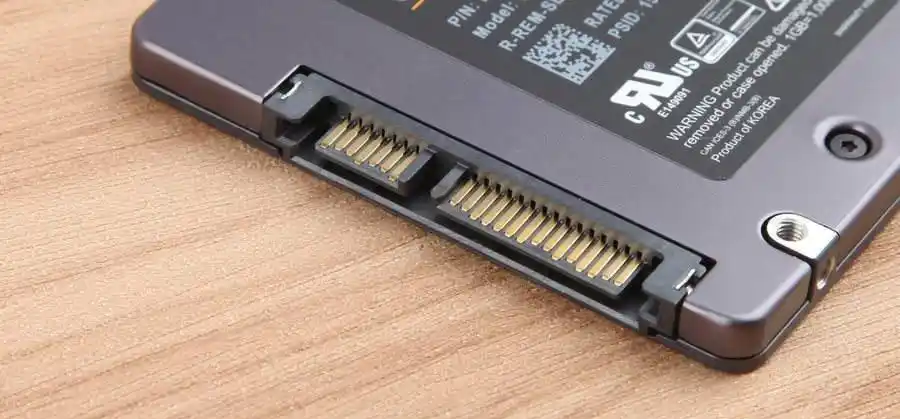
As the most widely used hard disk interface in the current market, the biggest advantage of the SATA 3.0 interface should be its maturity. Both ordinary 2.5-inch SSDs and HDDs use this interface. In terms of connection solutions, the MINI SAS 8087 to 4X SATA 7P Female with Sideload provides a convenient side-insertion solution, while the MINI SAS 8087 to 4X SATA 7P right-angle female cable is suitable for scenarios with limited space. The theoretical transmission bandwidth is 6 Gbps. Although it has a certain gap compared to the 10 Gbps and 32 Gbps bandwidth of the new interface, ordinary 2.5-inch SSDs can meet the daily application needs of most users, and the read and write speed of around 500 MB/s is sufficient.
The amount of data in the Internet world is increasing rapidly. Compared with the current interfaces, the PCI Express interface can provide faster data transmission and shorter latency, significantly improving the efficiency and profitability of organizations. The advantages will become increasingly prominent. At the same time, innovative connection solutions such as the MINI SAS 8087 to SAS SFF-8482 Two-in-One cable and the MINI SAS 8087 to Oculink SAS 8611 4I are also pushing the boundaries of storage technology. Especially in high-density storage environments, the special-angle connector designs such as the MINI SAS 8087 Left-angled to 4X SATA 7P Female 90-Degree have solved the wiring problems.
Post time: Aug-01-2025


